Best Time to Visit Bali for Droning in 2027: Sunrise to 10 AM for Clear Skies and No Crowds

Pertunjukan Drone Bali Editorial Desk
June 30, 2026
9 min read
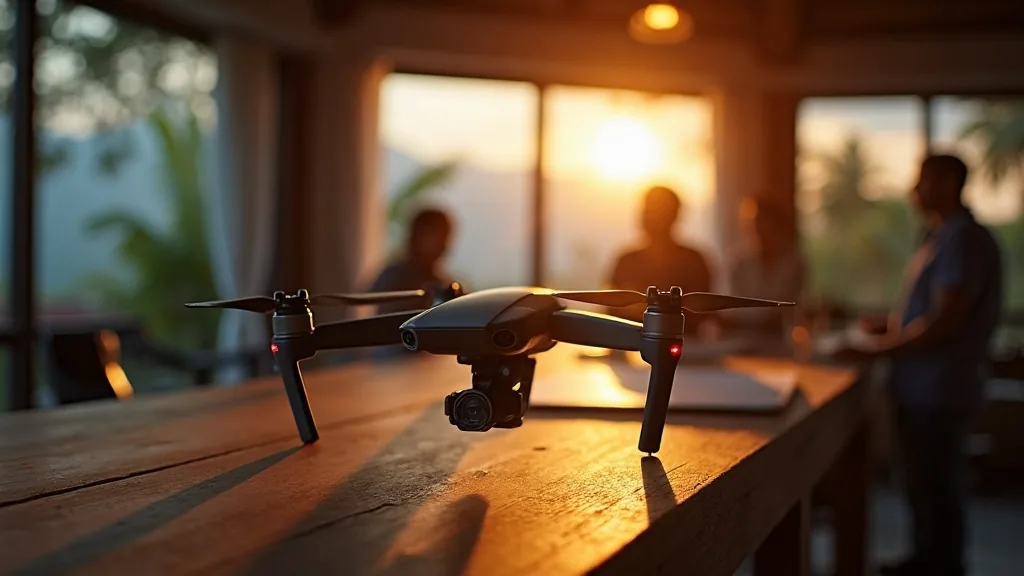
Planning a droning adventure in Bali in 2027? The optimal time to capture the island’s beauty from above is during sunrise to 10 AM. During these hours, the skies are usually clear, and the crowd-free atmosphere enhances the experience, providing you with the perfect opportunity for striking aerial shots.
Why Sunrise to 10 AM Is Ideal for Droning in Bali
The early morning hours in Bali offer the clearest skies, making it a prime time for drone enthusiasts to capture high-quality aerial footage. The period from sunrise to 10 AM is characterized by minimal atmospheric disturbance, which means that the captured images are sharp and lively. The natural light during sunrise adds depth and contrast to the landscape, accentuating Bali’s lush greenery and cultural landmarks.
Moreover, these early hours are less crowded, so droning enthusiasts can enjoy unfettered access to some of Bali’s most iconic sites. This tranquility allows for better concentration and creativity, as there’s less distraction from tourists and other activities. The serene environment enhances the entire droning experience, allowing for unique captures that highlight the island’s natural beauty. The temperatures during these hours are also cooler, making it more comfortable for lengthy droning sessions.
During these early hours, the island’s famous rice terraces in Tegallalang and Jatiluwih bask in the golden glow of the morning sun, offering a remarkable spectacle. The interplay of light and shadow across the terraces makes for striking visuals, perfect for showcasing the agricultural beauty of Bali. Additionally, dawn is the time when Bali’s wildlife is most active, providing opportunities to capture the rich biodiversity from a unique aerial perspective.
Exploring Bali’s Landscapes: Best Spots for Droning
Bali is home to a variety of landscapes that are perfect for droning. The grand Mount Agung, visible from Besakih Temple, provides a striking backdrop for aerial photography. Early morning droning sessions here allow you to capture the temple’s awe-inspiring architecture and its surrounding natural beauty, all illuminated by the soft glow of the morning light.
In the northwest, the West Bali National Park offers diverse ecosystems, from dense forests to coastal mangroves, providing an array of subjects for drone photographers. The park is less frequented by tourists, especially in the early hours, which allows for uninterrupted filming sessions. Capture the unique flora and fauna from a bird’s-eye view and explore Bali’s ecological diversity. The park is home to several endangered species, such as the Bali starling, and offers remarkable views of the coral reefs that skirt the island’s coastline.
Another remarkable location is the Garuda Wisnu Kencana Cultural Park, where you can capture the towering 122-meter statue of the Hindu god Vishnu riding the mythical bird Garuda. This massive statue offers not only Balinese craftsmanship but also striking views of the surrounding landscape. The area around GWK is expansive and less crowded in the early hours, giving you a fantastic opportunity to capture the monument from various angles.
Weather Considerations: Navigating Bali’s Climate in 2027
Bali experiences a tropical climate, with the dry season typically running from April to September and the wet season from October to March. By 2027, it’s expected that these seasonal patterns will hold, thus making the months from June through August particularly favorable for droning activities. During these months, mornings are generally dry and clear, ideal for capturing striking aerial shots.
It’s important to consider the local weather forecast before planning your droning activities. Sudden rain showers are not uncommon, even during the dry season, but mornings are generally more predictable and stable. Ensure your equipment is weatherproof to some extent and always monitor live weather updates to avoid any inconvenience during your droning session. The humidity levels during the dry season are also lower, which can help reduce potential lens fogging issues.
During the wet season, while droning might be more challenging, the lush landscapes become lively with greenery, and the waterfalls are at their fullest. Specific areas like Munduk and Sekumpul are known for their striking waterfalls and can be a great target for skilled pilots looking to capture the dramatic transformation of the landscape during these months. Always check for any wind advisories, as they can affect flight stability, especially in mountainous regions.
Upcoming Events in 2027: Opportunities for Unique Drone Footage
In June 2027, Bali will host the Bali & Beyond Travel Fair (BBTF) from the 9th to the 11th. This event is set to draw large crowds and international attention, providing a unique opportunity for capturing dynamic footage of this busy tourism trade event. However, droning activity around the event should be planned early in the day to avoid disturbances.
Moreover, understanding the local cultural calendar is crucial for capturing unique aspects of Balinese life. Celebrations such as the Saraswati ceremony and Mesuryak provide colorful and lively scenes perfect for drone enthusiasts looking to capture the essence of Balinese tradition. Note that Nyepi, or the Day of Silence, prohibits any drone activity as the entire island comes to a standstill, providing a unique opportunity for pre- and post-event captures.
During the Saraswati ceremony, which is a time for honoring knowledge and learning, schools and temples are adorned with offerings and decorations, providing lively visuals for aerial captures. Similarly, the Mesuryak ceremony involves the community coming together to toss coins into the air, symbolizing prosperity and the honoring of ancestors, a unique tradition that could provide lively and culturally rich footage. Participation in these celebrations should be done respectfully, ensuring that droning activities do not disrupt the ceremonies.
Understanding Local Regulations for Drone Usage in Bali
Compliance with local regulations is essential for operating drones in Bali. As of current laws and expecting similar in 2027, drone pilots must adhere to strict guidelines that include keeping drones below 150 meters and within visual line of sight. Permits are required for flying in specific areas, especially near cultural landmarks and populated spaces.
It’s advisable for international tourists to check with the local authorities or a legal advisor for the most up-to-date information on drone regulations. Bali’s authorities take these regulations seriously, and non-compliance could result in fines or confiscation of equipment. Ensure that you have all necessary documentation and permissions before your droning activities commence. Local drone clubs or tour operators can also provide guidance and assistance in understanding and navigating these regulations.
Droning near airports and military bases is strictly prohibited, with heavy penalties for violations. Additionally, it’s essential to respect privacy laws and avoid flying over private properties without permission. Practical tips include labeling your equipment with contact information and always carrying identification and permit documentation during your flights to avoid any legal issues.
Enhancing Your Drone Experience in Bali: Tips and Recommendations
To maximize your droning experience in Bali, consider investing in equipment that offers high-resolution capture and advanced stabilization features. This is particularly useful given the varying terrains and potential wind conditions experienced on the island. Early morning flights also benefit from lower wind conditions, making it easier to handle your drone and capture steady footage.
Engage with local droning communities or hire a guide who is familiar with the island’s best droning spots and can offer insight into optimal times and locations. This not only enhances your experience but also ensures you respect local customs and environments. Remember to carry extra batteries and storage options, as the remarkable views and vast landscapes will likely have you capturing more footage than anticipated.
For those aiming to produce professional-grade footage, consider post-processing software that allows for color grading and editing to bring out the best in your aerial shots. Also, practicing responsible droning by conserving battery life and anticipating potential emergencies will ensure a smooth and enjoyable experience. Capturing the island’s beauty is a privilege, and respecting its natural and cultural heritage should always be a priority.
FAQs
Q? What are the best months for droning in Bali in 2027? A: The best months for droning in Bali in 2027 are June through August, as this is during the dry season when the weather is more predictable, and skies are typically clear.
Q? Are there any specific regulations for flying drones in Bali? A: Yes, drone operators must adhere to local regulations, which include keeping drones below 150 meters, maintaining visual line of sight, and obtaining necessary permits for certain areas.
Q? Can I fly a drone during Nyepi in Bali? A: No, all activities, including flying drones, are prohibited during Nyepi, the Day of Silence. It’s a sacred day of reflection and rest, and the island comes to a complete standstill.
Partnering with NTB and NTT: Expanding Droning Horizons
BBTF 2027 plans to partner with the neighboring provinces of West Nusa Tenggara (NTB) and East Nusa Tenggara (NTT), opening up new droning possibilities beyond Bali. These regions offer a plethora of unexplored landscapes, from the notable beaches and the volcanic Mount Rinjani in NTB to the striking Komodo National Park in NTT, home to the famous Komodo dragons.
The collaboration with NTB and NTT aims to promote a broader range of tourism experiences and attract visitors to the lesser-known gems of Indonesia. For drone enthusiasts, this partnership presents an opportunity to capture diverse geographical features and cultural landscapes unique to these regions. As tourism infrastructure develops, these areas may soon become popular spots for adventurous droners seeking novel and untouched vistas.
With the Indonesian government’s goal of reaching 19.1 million foreign tourists in 2027, this partnership is also expected to contribute significantly to achieving this target. It underscores Indonesia’s commitment to enhancing its tourism potential while preserving the natural and cultural heritage of its islands. Enthusiasts are encouraged to explore these new opportunities and contribute to the documentation and promotion of Indonesia’s rich and varied landscapes.
For wider arrangements, our partner baliluxurytransport can coordinate end to end.
