Is Bali Safe for Drone Flying in 2027? Avoiding Tour Groups, Monkeys, and Crowded Trails After

Pertunjukan Drone Bali Editorial Desk
June 30, 2026
7 min read
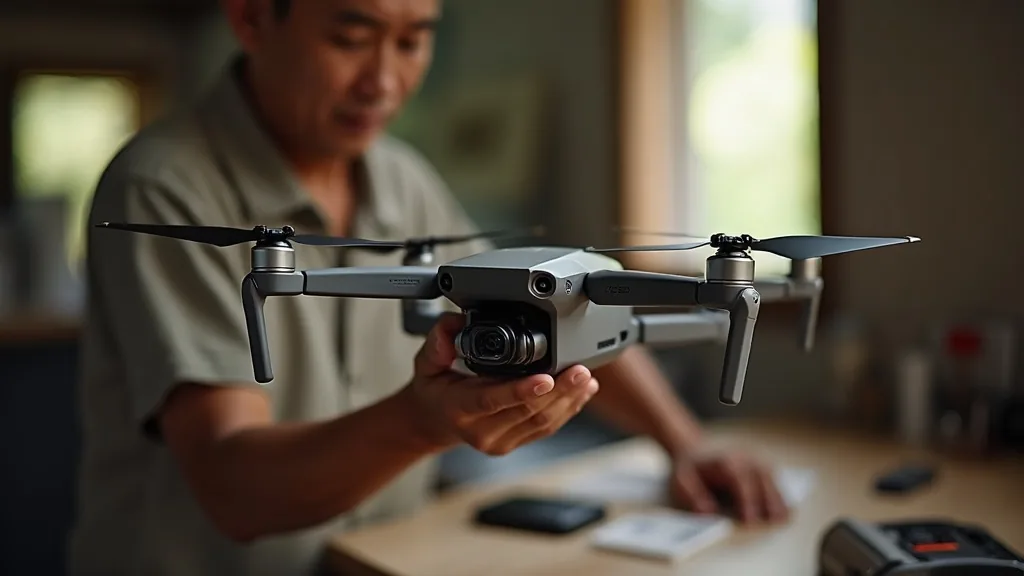
Flying drones in Bali in 2027 is generally safe and offers remarkable views, but precautions are necessary. Avoid popular tourist sites after 10 AM to dodge crowds, be mindful of local wildlife like monkeys, and respect local customs and legal restrictions to ensure a trouble-free experience.
Understanding Drone Regulations in Bali
In 2027, Bali continues to be a sought-after destination, drawing millions of tourists annually. As a result, drone regulations are strictly enforced to ensure the safety and privacy of both residents and visitors. The Indonesian government mandates that drone operators obtain proper permits for aerial photography, particularly in crowded areas and near temples. Flying over Nyepi, the Day of Silence, remains prohibited, as activities on this day are restricted to maintain the island’s spiritual ambience.
Drone operators must respect no-fly zones, which include areas around the Ngurah Rai International Airport. Violations could result in hefty fines or confiscation of equipment. It’s advisable to check with local authorities or the Bali Drone Community for the latest updates on drone regulations and to ensure compliance with the law. Additionally, drone flights are not permitted during certain cultural ceremonies such as the Saraswati and Mesuryak ceremonies, which are highly revered by the local communities.
Avoiding Crowds and Optimal Times for Drone Flying
With an expected 19.1 million foreign visitors in 2027, avoiding crowds in Bali requires strategic planning. Popular tourist attractions such as the Ubud Monkey Forest and Tanah Lot Temple are best visited early in the morning to capture serene footage without the interference of large groups. After 10 AM, these areas become increasingly crowded, making it difficult to operate drones safely and effectively.
Exploring lesser-known sites like the Taman Nasional Bali Barat or early morning hours at Pura Besakih can offer unique opportunities for drone enthusiasts to capture striking visuals without the usual disturbances. Consulting with local guides can also help identify quieter times or hidden spots away from tourist throngs. Additionally, visiting during the shoulder seasons between April and May or September and October can also provide less crowded conditions for drone operations.
Dealing with Local Wildlife: Monkeys and More
Bali is home to diverse wildlife, which can be both an attraction and a challenge for drone operators. Monkeys, particularly in areas like the Ubud Monkey Forest, are known for their curiosity and can pose a risk to drones if they are flown too low. These creatures are adept climbers and may attempt to interact with the drones, which could lead to potential damage.
It’s not only monkeys that operators should be cautious of; birds in areas such as the West Bali National Park can also be territorial and may perceive drones as intruders. Maintaining a safe altitude and distance from wildlife is crucial to avoid disturbances and ensure the safety of both the animals and the equipment. Additionally, understanding the behavioral patterns of these animals during different seasons can help operators plan their flights better.
Respecting Local Traditions and Ceremonies
Bali is rich in cultural traditions that are celebrated with great fervor across the island. Ceremonies like Saraswati and Mesuryak occur every six months and are deeply rooted in Balinese culture. During these times, it’s important for drone operators to be respectful and avoid flying over ceremonies out of courtesy and respect for the participants.
Understanding and observing these local customs not only helps in maintaining good relations with the community but also enhances the drone flying experience by providing insight into Bali’s rich cultural notable. Engaging with local peoples and participating in these events, when appropriate, can offer a more enriched experience and understanding of the island’s traditions. Moreover, experiencing these ceremonies can offer unique insights into the spiritual life of Bali, adding depth to the stories captured through drone photography.
The Impact of Weather and Natural Conditions
The weather in Bali can be unpredictable, which significantly affects drone operations. The island experiences a tropical climate with a wet season typically from November to March and a dry season from April to October. The dry season is generally more favorable for drone flying, providing clear skies and less risk of sudden rain showers.
However, even during the dry season, unexpected weather changes can occur. High winds, particularly in coastal and elevated areas such as near the Garuda Wisnu Kencana statue, can pose challenges for maintaining drone stability. It is advisable to check local weather forecasts and be prepared for sudden changes when planning drone flights. Being equipped with weather-proof drone accessories can also help protect equipment during unforeseen weather conditions.
The Economic Impact of Tourism and Drones
Tourism remains a cornerstone of Bali’s economy, with foreign exchange earnings projected to reach US$28.6 billion by 2027. The average visitor spends around US$1,497, contributing significantly to the local economy. Drones, as part of the tourism experience, play a role in attracting visitors by providing unique perspectives of Bali’s landscapes.
However, this also places a responsibility on drone operators to ensure that their activities positively contribute to the local economy and do not infringe upon the privacy or daily lives of residents. Supporting local businesses, hiring local guides, and respecting the natural environment are ways drone operators can positively impact Bali while enjoying their hobby. Additionally, participating in community tourism initiatives can further strengthen the positive economic impact of drone tourism.
Exploring Bali’s grand Landmarks with Drones
Bali is home to some of the world’s most remarkable landmarks, offering opportunities for drone photography. The Garuda Wisnu Kencana statue, an iconic 122-meter tall statue weighing 4,000 tons, stands as one of the tallest statues globally, providing a grand subject for aerial footage. Capturing this monumental piece from different angles can highlight its grandeur and the surrounding lush landscapes.
Another significant landmark is Pura Besakih, also known as the Mother Temple, which is believed to be over 1,000 years old. This ancient temple offers striking views, especially during sunrise, when the light plays beautifully on its ancient stones. Drone operators can capture the temple’s complex architecture against the backdrop of Mount Agung, creating awe-inspiring imagery. Visiting these landmarks during off-peak hours ensures minimal disruptions and the best lighting conditions for drone photography.
FAQs
Q? Are there specific areas where drones are prohibited in Bali? A: Yes, drones are not allowed near Ngurah Rai International Airport, during Nyepi, and over religious ceremonies. It is important to research and respect these no-fly zones to avoid penalties.
Q? What should I do if a monkey approaches my drone? A: If a monkey approaches your drone, it’s best to ascend to a higher altitude to prevent any interaction. Ensuring a safe distance from wildlife is crucial for preventing accidents.
Q? Can I fly my drone at tourist attractions after 10 AM? A: While it is possible, it is not recommended due to increased foot traffic which can complicate drone operations. Early morning or late afternoon are preferable times to avoid crowds.
For wider arrangements, our partner baliluxurytransport can coordinate end to end.
See also: 7-Day Bali Drone Itinerary 2027: From Diamond Beach Sunrise to Tiu Kelep Waterfall at 8 AM, What to Pack for Drone Travel in Bali: Moisture-Wicking Gear and Anti-Monkey Belongings Tips for 2027 · Home.
